Home
About
Our History Our Partners Our Team Projects Impact
Media
Reports Events Contact Us DONATE NOW

Our History

The journey of Ladies Joint Forum in empowering Tanzanian women and girls since 2019

Legal Status

Non-Governmental Organization (NGO)

Registration Date 16th July 2019
Registration Authority United Republic of Tanzania Act of 2002
Registration Number 00NGO/R/082
Verified
Officially Registered

Our Foundation

Ladies Joint Forum (LJF) is a non-governmental organization registered on 16th July 2019 under the Non-Governmental Organizations Act No. 24 of 2002, section 12(2) with Registration Number 00NGO/R/082. LJF was established by a group of young and vibrant Tanzanian women professionals who recognized the need for a unified platform to address gender inequality and empower women and girls across the nation.

Since its official registration in 2019, LJF has grown from a small initiative into a nationally recognized organization with young and vibrant professionals skilled in program management, finance, communications, and monitoring & evaluation. The team is enriched by local and international volunteers and interns who provide valuable support to add impact to our programs. Today, we operate with feminism at our heart, prioritizing gender equality and women empowerment (GEWE) across all our initiatives.

Registration Number

00NGO/R/082

Date Registered

16th July 2019

Focus Areas
Entrepreneurship Leadership Mental and Physical Well-Being
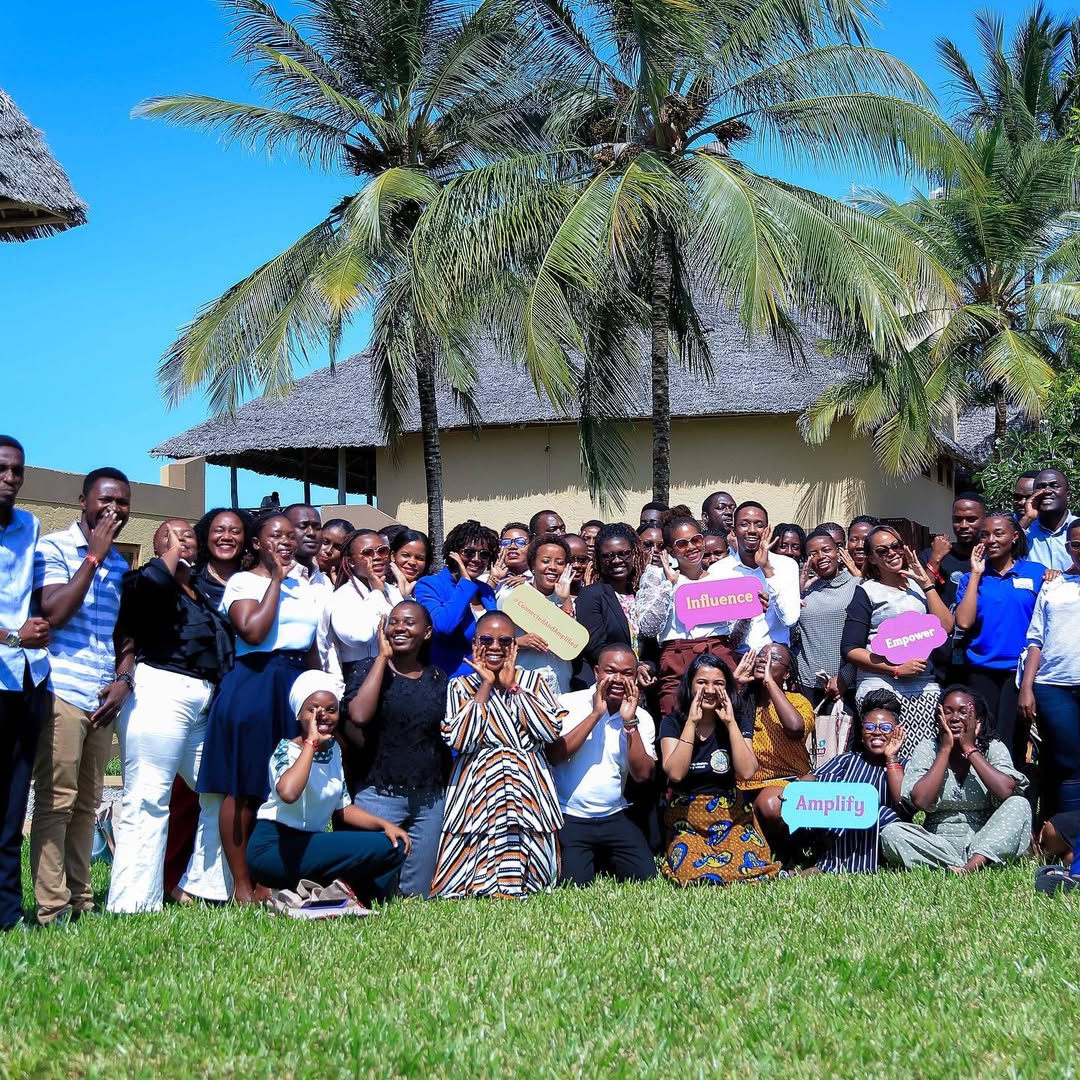
LJF Founding Members

Our Mission

To assist women and girls to reach their full potential through educational programs and training in Entrepreneurship, Leadership and Mental and Physical Well Being

Our Vision

A world in which all women and girls are supported and empowered to reach their full potential

Our Team

Ladies Joint Forum has young and vibrant professionals skilled and dedicated in program management, finance and accounting, communications, information technologies, and monitoring, evaluation and learning. The team is further enriched by local and international volunteers and interns who provide valuable support to add impact to the programs and organizational development capacities.

Our Core Principle: We prioritize gender equality and women empowerment (GEWE). Feminism is at the heart of our organization. We continuously invest in technical capacity, modern equipment, resources and technologies required for effective project implementation.

Our Impact Since 2019

50
Women Trained in Baking
60
Digital Literacy Graduates
100
Female Photographers
400
COVID-19 Support
250
Peace & Security
150
Menstrual Hygiene
100
Binti Mwerevu
460
Local Elections Support

Our Key Milestones

2019

Ladies Joint Forum officially registered as an NGO in Tanzania on July 16th

2020

Launched "She is a Hero Project" supporting 200 women during COVID-19 pandemic and "Women's Courage to Fight COVID-19" helping 200 women access vaccinations

2021

Empowered 60 girls through digital literacy training with "She Goes Digital Training" and supported 100 female photographers through Female Photographers Program

2022

Trained 50 women in baking through "Dada Kuoka Project", empowered 100 women in climate change initiatives, and reached 150 women through Menstrual Hygiene Campaigns

2023

Empowered 100 girls through Binti Mwerevu Program, provided vocational training to 100 women through "Sewing for the Future", and supported 460 women in local government elections through "Women and the right to influence"

2024

Launched Strategic Plan 2024-2029 with focus on Entrepreneurship, Leadership, and Mental & Physical Well-being, aiming to impact thousands more women and girls across Tanzania

2025

Expanded entrepreneurship and digital empowerment programs, supporting over 300 women and girls with business skills training, mentorship, and leadership development initiatives across Tanzania

Timeline of Growth

2019

Official Registration

LJF officially registered as NGO No. 00NGO/R/082 on 16 July 2019, launching a bold mission to empower women and girls in Tanzania

2020

COVID-19 Response

Supported 400 women during the pandemic through She is a Hero Project and COVID-19 vaccination awareness campaigns

2021

Digital Empowerment

Launched She Goes Digital (60 girls) and Female Photographers Program empowering 100 women with creative and digital skills

2022

Climate & Health

Trained 100 women on climate action, reached 150 women through menstrual hygiene campaigns, and launched the Dada Kuoka baking project

2023

Economic Empowerment

Empowered communities through Binti Mwerevu (100 girls), Sewing for the Future (100 women), and Women & Right to Influence reaching 460 women

2024

Strategic Growth

Launched Strategic Plan 2024–2029, participated in national CSO dialogues including TGNP CSO Week, strengthening partnerships

2025

Global & National Engagement

Strengthened partnerships with Government and CSOs, engaged in NACONGO platforms, and represented women voices at Hamburg Sustainability Conference and national forums in Dar es Salaam

Our Theory of Change

Tanzania's population is projected to be 61.7 million — the largest share dominated by women. Despite this, women face constrained control over assets, limited decision-making involvement, and limited access to economic and political opportunities. LJF was created to change this.

1. Inputs

  • • Skilled trainers, mentors, community leaders & volunteers
  • • Funding from donors, grants & partnerships
  • • Training materials, safe spaces & digital resources
  • • Collaborations with local, national & international NGOs
  • • Partnerships with Government institutions & private sector for sustainable development

2. Activities

  • • Workshops & mentorship programs
  • • Skills training (baking, sewing, photography, digital, driving)
  • • Provision of seed funding & microfinance access
  • • Safe spaces for mental health & peace discussions
  • • Leadership & civic participation training

3. Outputs

  • • Women starting & managing successful businesses
  • • Increased women in decision-making roles
  • • Improved conflict resolution skills in communities
  • • Greater access to psychological support services
  • • Reduced gender-based violence & discrimination

4. Outcomes

Short-Term:

  • • Women gain practical entrepreneurship & leadership skills
  • • Increased awareness of gender equality
  • • Enhanced mental & physical well-being

Long-Term:

  • • Women establish sustainable businesses
  • • Gender equality normalized in households & communities
  • • Sustainable practices integrated into daily life

5. Impact

Women and girls in Tanzania are empowered to reach their full potential, leading to a more equitable, prosperous, and sustainable society.

6. Key Assumptions

  • • Continued donor & grant financial support
  • • Community & cultural acceptance of initiatives
  • • Strong government & NGO collaboration
  • • Availability of skilled trainers & mentors
  • • Stable infrastructure & safe program delivery

Strategic Alignment

LJF's work is aligned with national and international strategies aimed at improving community livelihoods and sustainable development.

UN Sustainable Development Goals

SDG 5

Gender Equality — Mentoring on strategies to achieve gender equality, peace and security.

SDG 8

Decent Work & Economic Growth — Entrepreneurship training, microfinance, and business mentorship.

SDG 1

No Poverty — Income-generating opportunities through driving, sewing, photography, digital skills.

SDG 3

Good Health & Well-Being — Safe spaces, SRHR education, psychological referrals, GBV prevention.

SDG 13

Climate Action — Living Labs, smart agriculture, renewable energy, climate champions.

SDG 16

Peace, Justice & Strong Institutions — Promoting women's participation in leadership, accountability, and inclusive decision-making.

SDG 17

Partnerships — Collaborations with SWB, TGNP, international donors, government agencies.

African Union Agenda 2063

Asp. 1

Prosperous Africa — Entrepreneurship, income generation, and economic empowerment.

Asp. 3

Good Governance — Women's right to influence, decision-making, and participation.

Asp. 4

Peaceful & Secure Africa — Safe spaces for mental trauma, peace and security strategies.

Asp. 5

Cultural Identity — Mentoring on gender equality within African cultural context.

Asp. 6

People-Driven Development — Programs driven by community needs.

Asp. 7

United Africa — International partnerships for collective impact.

Tanzania MKUKUTA Framework

National Strategy for Growth and Reduction of Poverty

Cluster I — Growth & Income Poverty Reduction

Skills training for women to start and grow businesses, reducing income poverty.

Cluster II — Quality of Life & Social Well-Being

Health education, environmental sustainability, and mental health services.

Cluster III — Governance & Accountability

Mentoring on gender equality, right to influence, and conflict resolution.

Women, Peace & Security (WPS)

UN Security Council Resolution 1325

Participation

250 women engaged via Sisters Without Borders (SWB). 460 women in local government elections.

Protection

Safe spaces, GBV prevention for 800 women. Psychological referrals for 900 women and girls.

Prevention

Education on strategies to reduce gender barriers, violence, stigma, and discrimination.

Action Plan 2025–2029

"A world in which all women and girls are supported and empowered to reach their full potential"

Entrepreneurship

Income Generating Opportunities

Driving, mechanic, seaweed processing, photography, tailoring (2024–2028)

600 women introduced

Business Mentorship & Microfinance

Start-up support, loans & investment (2025–2028)

120 businesses • 600 microfinance

Green Entrepreneurship & Climate

Smart agriculture, 9 Living Labs, renewable energy (2025–2028)

150 climate champions

Leadership

Gender Equality, Peace & Security

Mentorship on gender equality strategies (2024–2028)

1,000 beneficiaries

Right to Influence & Decision-Making

Voice, decision-making, conflict resolution (2024–2028)

1,000 beneficiaries

Women in Climate Leadership

Advocating for women leading climate action (2024–2028)

150 climate champions

Mental & Physical Well-Being

Safe Spaces for Mental Health

Sport, games & safe discussions (2024–2028)

1,000 women & girls

Sexual & Reproductive Health (SRHR)

SRHR education, pandemic advocacy (2025–2028)

1,000 beneficiaries

GBV Prevention Strategies

Reducing violence, stigma & discrimination (2024–2028)

800 women & girls

Young Mothers Support

Parenting skills, child development (2024–2028)

1,800 young mothers

Organizational Development Capacity (2025–2029)

1–2

Staff per year on short courses for capacity building

200

Strategic partnership meetings planned

600

Project proposals to identify new funding